A new underwater internet cable now connects Africa and South America. It runs along the bottom of the Atlantic Ocean. This is a big step for internet access on both continents.
Before this cable, internet traffic between Africa and South America had to go through Europe or North America first. This made the journey much longer. Longer routes mean slower internet and worse connections.
The new cable makes the route shorter. Engineers call the small delay in data travel "latency." Less latency means websites load faster and video calls are smoother. Millions of people will benefit.
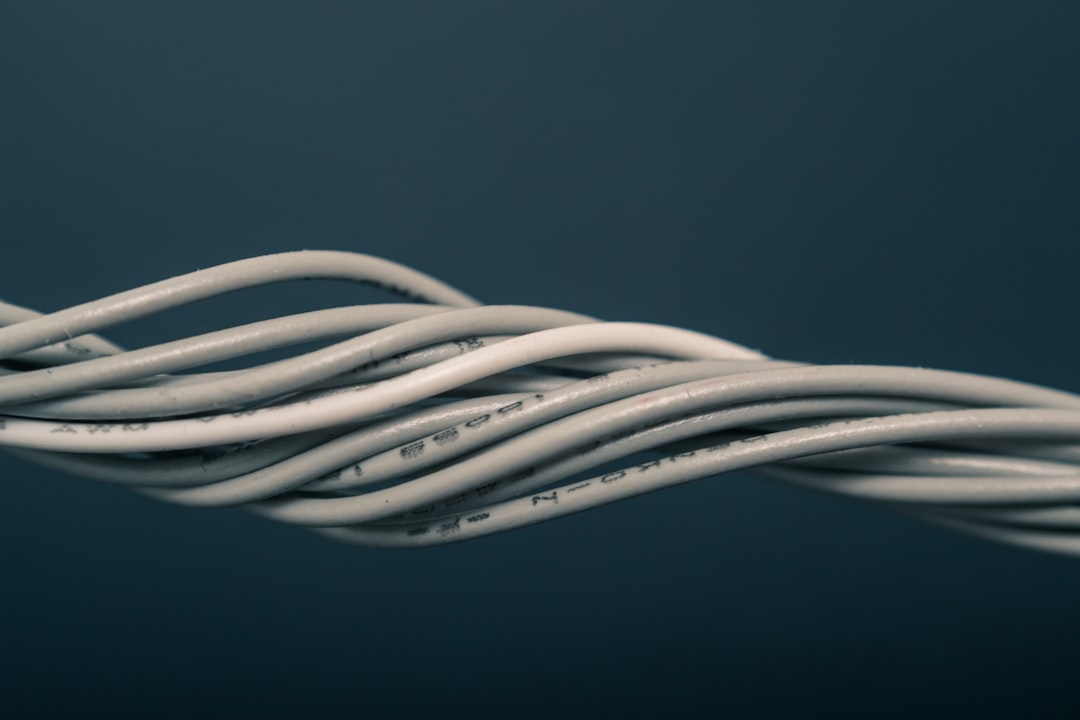
Special ships built this cable. They carried large rolls of fiber-optic cable — thin glass threads that send data using light. Workers placed it on the ocean floor. In shallow water, the cable is buried under the seabed to protect it from fishing nets and anchors.
Fiber-optic cables are very important for the internet. About 99 percent of all international internet traffic travels through underwater cables. The first transatlantic cable was laid in 1858. Today's cables carry much more data at nearly the speed of light.
Bandwidth means how much data a cable can carry at once. Think of it like a road — more lanes allow more cars to travel. This new cable adds a lot of bandwidth where there was very little before.
Around the world, governments and technology companies are working to connect more places. Underwater cables are the best way to move data across oceans. This new cable is part of that global effort.